
Should you rebrand? Ask a stranger, then a regular.
You're the hardest person to ask. You come in through the back door, and your customers use the front.
A stranger comes through the front once. By the time you say hello, they've made up their mind. A regular knows what to look for, and would notice the day it was gone.
Between them, they answer both halves of the decision: whether it's time, and how much should change.
What is rebranding?
Rebranding changes how a business presents itself and what it wants to be known for. It can follow a change in what you sell, who you serve or why customers choose you. The work may change your messaging, visual identity or name. Sometimes the logo stays.
When is it time to rebrand?
When the business has changed, or people get the wrong impression.
This question is for people who have never dealt with you. Your regulars already know what you're like, and they'd forgive a website from 2014. A stranger has only the few parts they can see: the website, the packaging, a proposal, the reply to their first email.
Choose a few people who could become customers. Show each person your website, your card and something you've sent a customer lately. Speak to them separately, without explaining what you hoped they would notice. Ask these four questions and write down their answers.
| Ask them | It's a sign when |
|---|---|
| What does this business do? | |
| How long has it been around? | |
| Did all of these come from the same business? | |
| Why would someone choose it? |
Tick any responses you hear. A wrong answer gives you something to check. If the same misunderstanding keeps coming up, look at the words or design that caused it before deciding how much to change.
Then check what's on your desk. If there's a quote for a new website or a packaging run, this is the moment to decide. Decide first, and that money goes into a look you mean to keep. Decide after, and a rebrand means paying for those parts twice.
Some reasons need no test, such as a merger or a name someone else already owns.
When not to rebrand
When your brand still fits the business, or when the trouble lies elsewhere.
If people understand the business and your plans haven't changed, you may need consistency rather than a rebrand. Being tired of your logo isn't a reason on its own. You've seen it thousands of times. Your next customer is seeing it for the first time.
If people find you, understand you and still choose someone else, look past the brand first: the price, the hours, how quickly you reply, where you are. Customers weigh every one of those, and a new logo leaves them all where they were.
How do you rebrand without losing customers?
Find out what they'd miss, and keep it.
Start with what customers have already written. If the comments don't explain what they recognize or would miss, ask them directly.
- Gather what customers have written about you. Reviews on every site that lists you, messages, thank-you emails, comments and posts that tag you. Start with recent comments, then look further back if you need more context.
- Skip the praise any business could earn. "Great service" is too broad to tell you what to preserve. Copy out the specifics: a place, a detail, a phrase, a promise.
- Mark what comes up more than once. New customers read those reviews too, so these are the things they arrive expecting to find.
- Keep their wording. Write "the handwritten note in every order," not "a personal touch." Their wording gives you a specific detail to check.
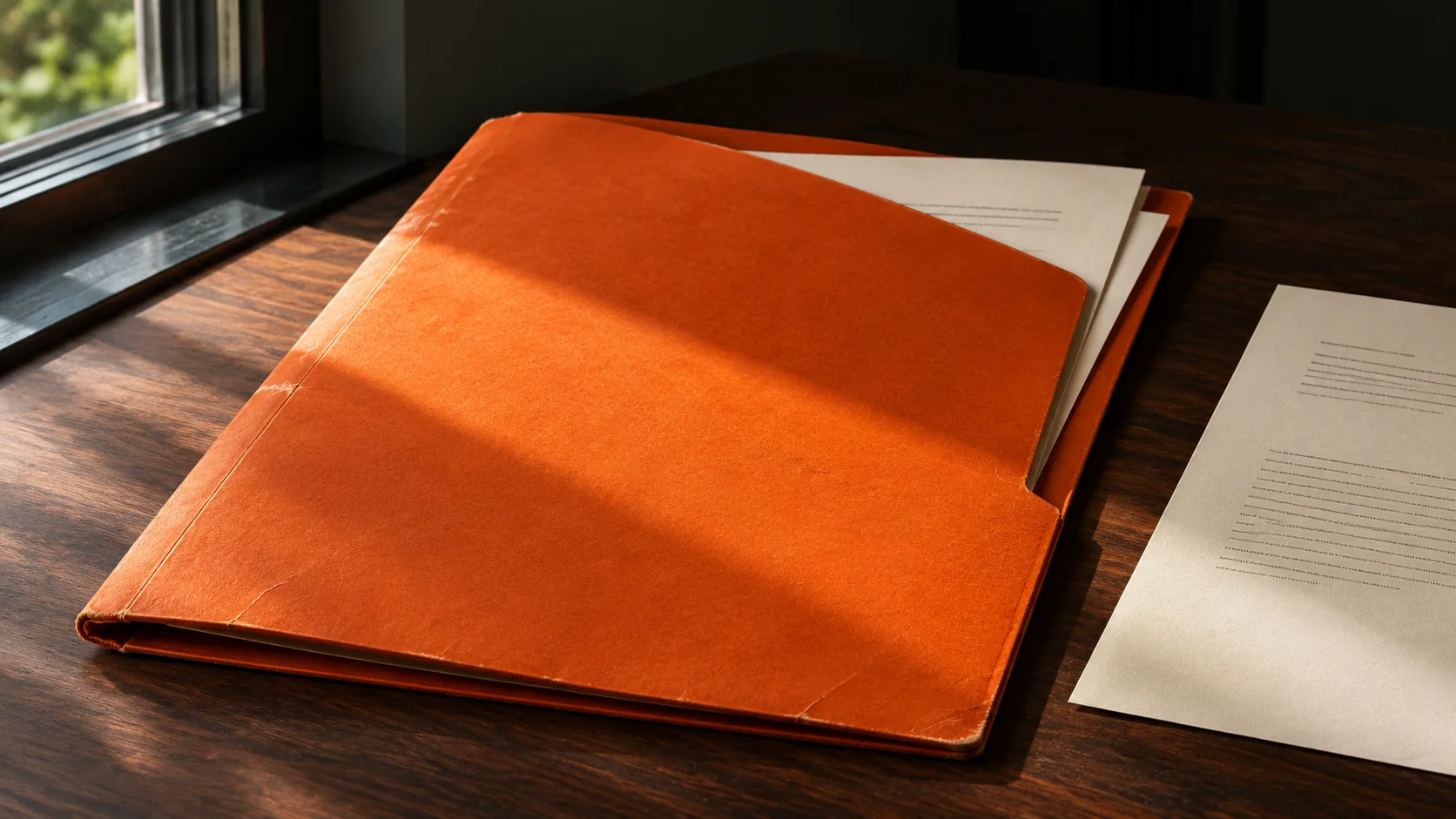
That's the start of your keep list. If customers repeatedly mention the orange folder, check what they recognize about it before changing it.
How much should change?
Change what repeatedly gives people the wrong impression. Keep what helps customers recognize and choose you.
Put both on one page, in two columns.
| Keep | Change |
|---|---|
| The details customers recognize and value | The parts behind repeated misunderstandings |
| The orange folder | The website that makes twenty years look like two |
| The handwritten note | The card that doesn't match the invoice |
You might keep the orange folder and replace the blurry logo printed on its cover.
The Change column shows the size of the job:
A few parts, mostly finish and consistency. That's a refresh, and the next read is what a brand refresh changes.
Most of what customers see, or how you describe the business. That's a rebrand. The logo can still sit in the Keep column.
The name. That's the biggest change a rebrand can make. Your keep list is then how regulars know it's still you.
If your Change column came out long, here's how we rebrand a business its customers already know.